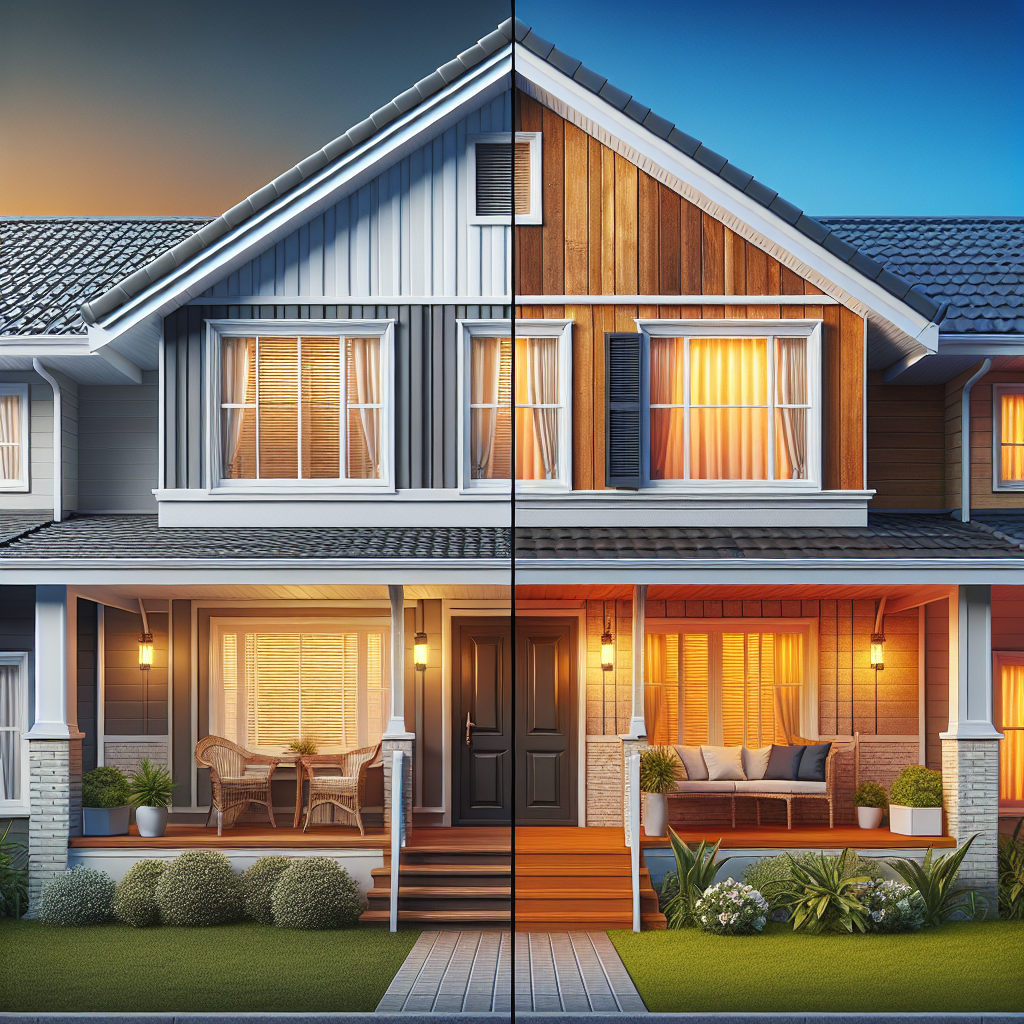
Vinyl Siding vs Wood Siding: Which is Better for Your Home?
Transform your home with professional vinyl siding installation. Discover the benefits and process with Studio Aluminum's expert services.
Choosing the right siding for your home is like picking the perfect outfit for a first date – it has to look good, feel right, and stand up to whatever life throws at it. In the world of exterior home siding, two contenders often battle it out: vinyl siding and wood siding. But which one truly deserves a spot on your home’s facade?
Overview of siding options
Siding is more than just a pretty face; it’s your home’s first line of defense against the elements. When considering vinyl siding installation, you’re stepping into a world filled with colors, textures, and styles that can elevate your home’s curb appeal.
- Vinyl Siding: A champion of durability and low maintenance, this option offers a variety of vinyl siding colors that can match any aesthetic.
- Wood Siding: The classic choice, offering natural beauty but requiring more upkeep than a toddler with sticky fingers.
If you’re in Canada and looking into siding installation services, it’s essential to weigh the pros and cons of each material before making a decision.
Importance of choosing the right material
The material you choose for your home’s exterior can significantly impact both its appearance and longevity. Opting for affordable vinyl siding? You’re looking at a cost-effective solution with less hassle. On the other hand, wood may lure you in with its charm but remember: it’s like owning a pet – rewarding but requires commitment!
Key Considerations:
- Maintenance: Vinyl is typically maintenance-free, while wood needs regular staining or painting.
- Durability: Vinyl is weather resistant and less prone to rot compared to wood.
- Cost: Vinyl siding cost tends to be lower upfront than wood siding.
Your choice will also affect energy efficiency. Many modern vinyl options come with insulation backing, providing an extra layer of warmth during those chilly Canadian winters – think cozy blankets versus flimsy throws!
Brief mention of vinyl siding installation
If you decide on vinyl, you’ll want to enlist some local experts who know their way around siding installation guide. Professional siding installers will ensure that your new cladding not only looks fabulous but also stands up against harsh weather conditions. Plus, there’s nothing quite like seamless vinyl installation Canada style – it’s as smooth as butter on toast!
This blog post will explore all aspects of vinyl vs wood siding, including the best options for your specific needs and tips from reliable home contractors Canada 2023 who can help make your vision come true. So grab your hard hat (or just a cup of coffee) as we dive deeper into this exterior renovation adventure!
Understanding Vinyl Siding
Definition and characteristics
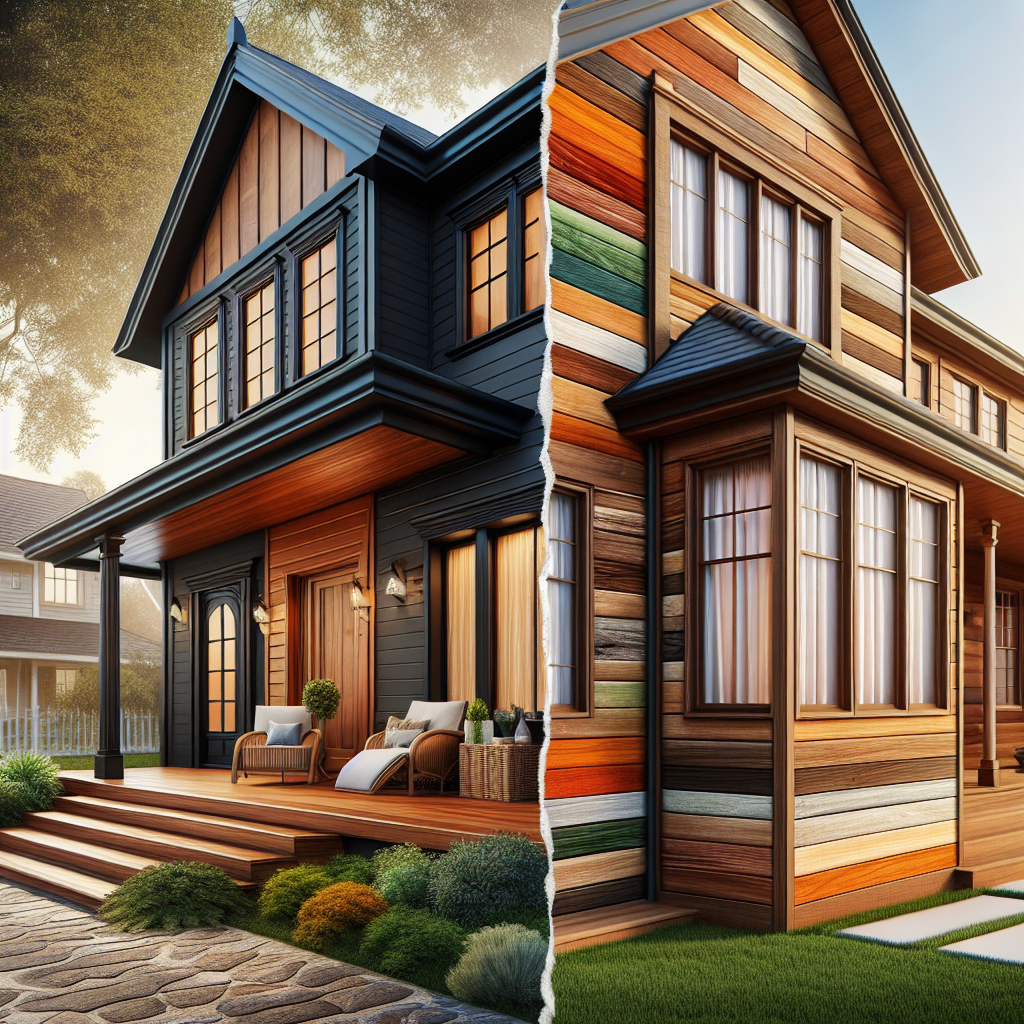
So, what exactly is vinyl siding? Think of it as the superhero of house cladding options, made from polyvinyl chloride (PVC) resin. This material is not only lightweight but also comes in a plethora of vinyl siding colors, allowing homeowners to customize their exteriors to match their unique style. With modern advancements, you can find high-quality vinyl panels that mimic the look of wood without the hassle.
Benefits of vinyl siding
Why should you consider vinyl siding installation? Here are some compelling reasons:
- Cost-effective: Vinyl siding cost is generally lower than wood, making it an attractive option for budget-conscious homeowners.
- Variety: From classic to contemporary, there’s a vinyl siding style for every taste.
- Eco-friendly options: Many manufacturers now offer eco-friendly siding options that are less harmful to the environment.
- Weather resistance: It can withstand harsh weather conditions without warping or cracking.
Durability and weather resistance
If you live in Canada, you know how unpredictable the weather can be. Luckily, durasble vinyl siding is designed to handle everything from snowstorms to summer heatwaves. Unlike wood, which can rot or warp over time, vinyl remains steadfast against moisture and UV rays. It’s like having a trusty umbrella that never flips inside out!
Low maintenance requirements
No one wants to spend their weekends scraping paint off wood or worrying about mold growth. With maintenance-free siding, all you need is a good wash with soap and water occasionally. That’s right-less time maintaining your home means more time enjoying it!
Quick Maintenance Tips:
- A quick rinse with a garden hose will do wonders.
- If dirt builds up, use a soft brush with mild detergent.
- No need for regular painting or sealing-just enjoy!
Energy efficiency aspects
If energy efficiency is on your radar (and it should be), many modern vinyl options come with insulation backing. This feature helps keep your home cozy during those frosty Canadian winters-think of it as an extra layer of warmth that hugs your walls! Plus, energy-efficient siding can lead to lower heating bills-a win-win situation!
Common misconceptions about vinyl siding
You might have heard some myths floating around about vinyl siding. Let’s bust a few:
- Myth #1: Vinyl fades quickly – False! Quality vinyl products are designed with UV inhibitors to resist fading over time.
- Myth #2: It looks cheap – Not anymore! With advancements in design, today’s vinyl can rival even the most luxurious materials.
- Myth #3: It’s not environmentally friendly – Actually, many brands now offer eco-friendly options that help reduce waste.
The truth is: when done right by professional siding installers, vinyl can elevate your home’s aesthetic while providing long-lasting benefits.
If you’re ready to explore this further and consider how siding installation services could transform your home, keep reading! Your journey into the world of exterior design trends Canada 2023 starts here!
Understanding Wood Siding
Definition and characteristics
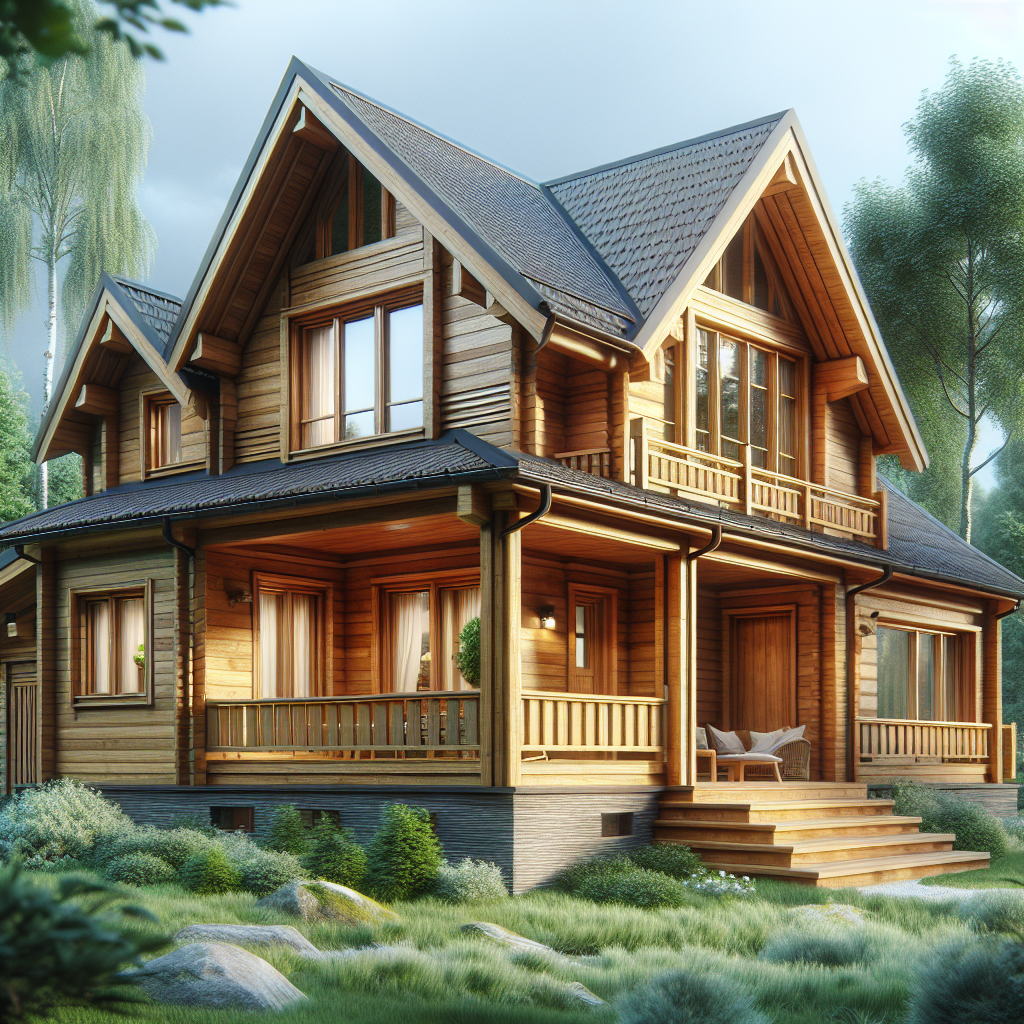
Wood siding is the classic choice for homeowners seeking a natural aesthetic. Made from various types of timber, it offers a rustic charm that vinyl simply can’t replicate. Think of it as the cozy cabin in the woods compared to the sleek, modern apartment in the city. While wood can be beautiful, it’s essential to understand its unique characteristics before making a decision.
Benefits of wood siding
So, why might you consider wood siding? Here are some compelling reasons:
- Natural beauty: Wood boasts a warmth and texture that many homeowners find appealing.
- Customization: It can be painted or stained in virtually any color, allowing for personalized aesthetics.
- Sustainability: When sourced responsibly, wood is an eco-friendly option compared to synthetic materials.
- Value addition: Homes with wood siding often have higher resale values due to their classic appeal.
Aesthetic appeal and customization options
If you’re looking for character, wood siding can deliver in spades. From traditional clapboard to modern board-and-batten styles, there’s something for everyone. You can paint it any shade you desire or let it weather naturally for that rustic look. It’s like having a blank canvas for your home’s exterior! Plus, with various finishes available, you can achieve everything from a polished look to a more rugged appearance.
Naturally insulating properties
One of the perks of wood siding is its natural insulation qualities. Unlike vinyl, which relies on additional backing for insulation, wood provides some inherent thermal resistance. This means it can help keep your home warm during those chilly Canadian winters – think of it as nature’s very own thermal blanket!
Challenges associated with wood siding
While wood has its charms, it’s not without challenges. Here are some hurdles you may face:
- Maintenance needs: Wood requires regular upkeep such as painting or staining every few years to prevent deterioration.
- Longevity concerns: Without proper care, wood can warp or crack over time – not exactly what you’d want after investing in your home!
- Pest issues: Wood is susceptible to insect infestations such as termites and carpenter ants if not treated properly.
Pest issues and susceptibility to rot
Pests love wood as much as we do! Unfortunately, this makes it vulnerable to damage from insects and moisture. If you live in an area prone to these issues, you’ll need to consider treatments and preventative measures seriously. Regular inspections are crucial; it’s like taking your car for maintenance but with more stakes involved!
Key Takeaway:
While wood siding offers undeniable beauty and charm, it’s essential to weigh these benefits against the maintenance needs and potential challenges associated with pests and rot. If you’re ready for commitment (and some elbow grease), wood could be your perfect match!
If you’re still torn between vinyl vs wood siding, don’t fret! The next sections will help clarify which option aligns best with your style and lifestyle needs-so stay tuned!
Comparing Vinyl Siding and Wood Siding
COST ANALYSIS
When it comes to choosing between vinyl siding installation and wood siding, cost is often at the forefront of homeowners’ minds. Let’s break it down:
- Initial installation costs:
- Vinyl siding cost: Generally lower than wood, making it a wallet-friendly option for many.
- Wood siding costs: Typically higher due to material expenses and labor for installation.
LIFESPAN AND DURABILITY
Now, let’s talk about how long each material will last and how they stand up to the elements.
- Expected lifespan of each material:
- Vinyl siding: Can last 20-40 years with minimal maintenance.
- Wood siding: May last 15-30 years depending on upkeep.
- Weather resistance comparison:
- Vinyl siding: Highly resistant to moisture, fading, and warping.
- Wood siding: Vulnerable to rot, termites, and requires regular treatment to maintain its integrity.
MATERIALS AND ENVIRONMENTAL IMPACTS
If you’re eco-conscious (and who isn’t these days?), understanding the sustainability of your choices is crucial!
- Sustainability of vinyl vs. wood:
- Vinyl: Often made from recycled materials but not biodegradable.
- Wood: A renewable resource when sourced responsibly; however, deforestation can be a concern.
- Recyclability:
- Vinyl siding: Some manufacturers offer recycling programs for old vinyl products.
- Wood siding: Can be repurposed or composted if untreated.
- Environmental footprint during production:
Aesthetic Considerations
Your home’s exterior is like a canvas – let’s see how each material stacks up in terms of style!
- Design flexibility and styles available for each material:
- Vinyl siding: Comes in a variety of styles that mimic wood grain or modern finishes.
- Wood siding: Offers classic looks like clapboard or shiplap that can be painted any color imaginable!
- Color options and finishes:
The Installation Process: Vinyl vs. Wood
The journey doesn’t end with choosing your material; the installation process plays a big role too!
- Overview of vinyl siding installation process:: Quick and efficient with professional installers; often involves less time than wood due to lighter materials.
- Overview of wood siding installation process:: More labor-intensive requiring precise cutting and treatment applications; think of it as building a puzzle with more pieces!
Conclusion
This comparison has shown us that both vinyl vs wood siding, have their unique advantages and challenges. If you’re looking for durability, low maintenance, and cost-effectiveness, vinyl siding installation, might just be your best bet. However, if you crave natural beauty and are willing to invest time in upkeep, wood could be your ideal choice!
Your next step? Consult with local siding contractors, explore Studio Aluminum’s services, and make an informed decision that suits your home improvement projects Canada 2025 style!